Obituary: Alex Chilton (1950-2010)

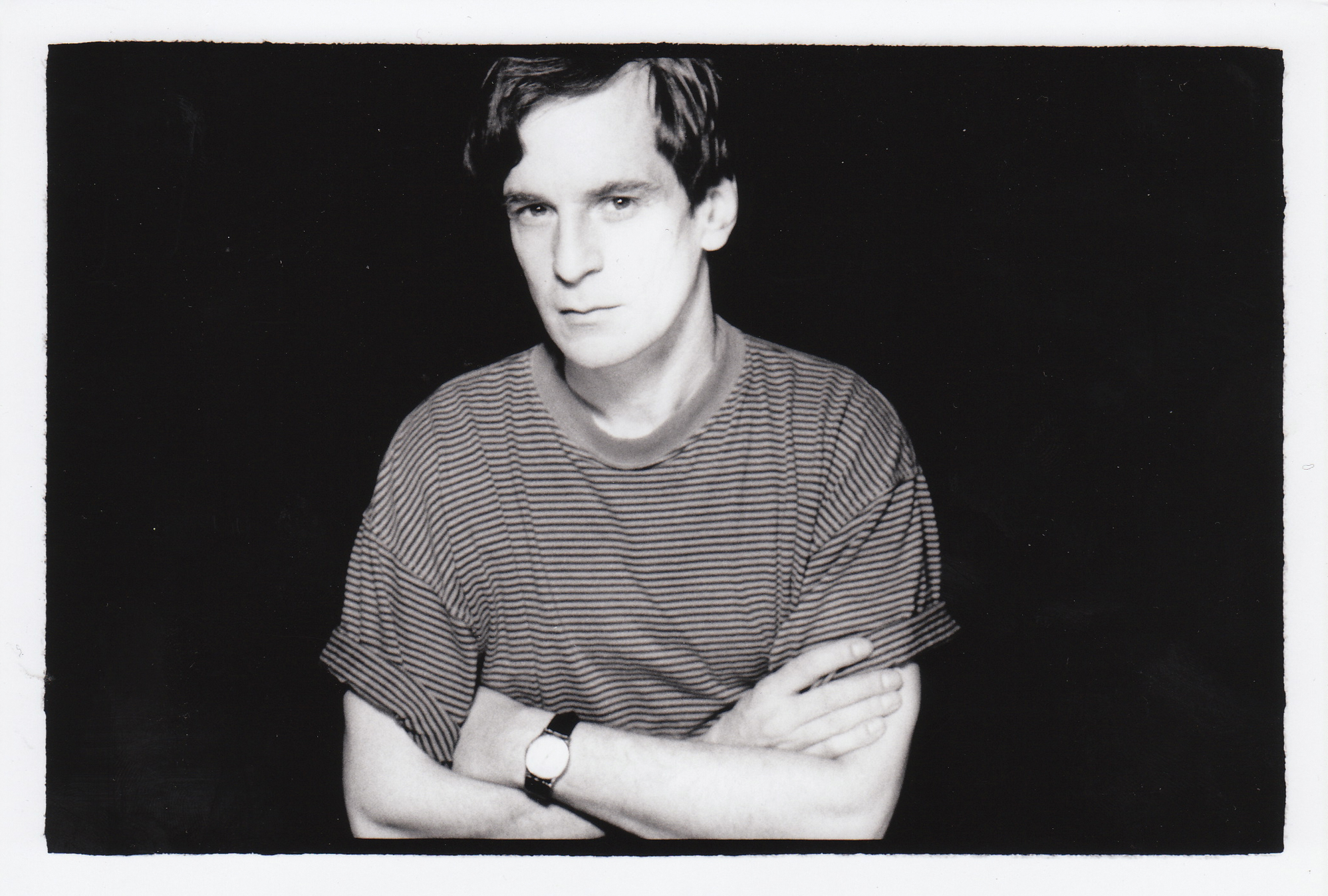
Alex Chilton

Singer, songwriter, guitarist and producer Alex Chilton died of a heart-related problem in New Orleans on March 17, 2010. Chilton’s work with the Box Tops, Big Star and as a solo artist inspired a considerable and loyal following in the indie and alternative music fields. His compositions have been performed by Wilco, Garbage, Son Volt, Counting Crows, Elliott Smith, Jeff Buckley, Cat Power, Yo La Tengo and many more.

Chilton grew up in a musical family in Memphis; his father, Sidney Chilton, was a jazz musician. At the age of 16, Chilton had a number one hit with “The Letter” as a member of the Box Tops. The group disbanded in February 1970. He joined Chris Bell, Jody Stephens and Andy Hummel to form Big Star in 1971 and recorded three albums, #1 Record, Radio City, and Sister Lovers. Only he and Jody Stephens were a part of Sister Lovers’ recording, and they retired the Big Star name until the two started doing occasional Big Star projects in the 1990s augmented by members of the Posies.

Chilton moved to New Orleans in the early 1980s where he formed a trio with Rene Coman and drummer Doug Garrison. Coman left Chilton’s solo trio at the end of 1986 to pursue other projects, forming the Iguanas with Garrison. While here, he recorded and performed intermittently, more in the 1990s than in the last decade. He was taken to the hospital in New Orleans, and died of a suspected heart attack. He is survived by his wife, Laura, and son, Timothy.

Learning of Alex Chilton’s death during South by Southwest made the enterprise seem a little empty. Almost every rock band here with pop leanings has Chilton or Big Star in its cellular structure whether it knows it or not. As a member of the Box Tops, he sang on the pop/soul hits “The Letter,” “Cry Like a Baby” and “Soul Deep.” Big Star’s three albums present the blueprint for contemporary indie rock, and as a solo artist, he pursued a progressively personal vision with little regard for labels, audiences or sales. He made pop archaeology cool in his later years, writing less but digging up obscure pop, R&B and soul classics, seemingly determined to be hip by being unhip; in later years, “Volare,” the Italian pop standard, was a staple of his live show. As a producer, he helped Tav Falco’s Panther Burns show that roots music may be best celebrated by its spirit rather than religiously faithful renditions.

It’s hard to write about Chilton and not impose your suppositions about motivations because he was notoriously private. He wasn’t reclusive but he had his own priorities and interests. I last saw him before Christmas on Frenchmen Street when Alex McMurray and I ran into him, the three of us marveling at three Alexes in the same place at the same time.

Bruce Eaton documents in Radio City, his entry in the 33 1/3 book series, how Chilton was reluctant to be interviewed. That reluctance let us fill in the blanks—likely as we would fill them in, not as he would. For years, I’ve thought that he was perhaps the perfect example of what the music business can make you. He’s best known for music he made at 16 as the hired voice of the Box Tops, a band that used little of his writing. With Big Star, he made remarkable music, but distribution problems meant few people heard it. After that, he made music that always had “fuck this business” as a subtext. As time has passed, I have come to suspect that reading; it’s too simple and too generic, based on how people would respond—how I might respond—rather than how he would.

But Chilton invited that sort of identification. Big Star’s not as revolutionary as its proponents claim, but it’s hard to think of a band that better reflected being young than it did. On all three albums, there’s an undercurrent of confusion and uncertainty, even in the optimistic songs. That spoke more clearly to me than the Beatles or countless singer/ songwriters who seemed to have a far clearer handle on their lives than I did then or now. Add to that the hardto- find nature of his recorded output and all the pieces were in place for Chilton to become a cult figure, the beloved of those who are certain that real music exists at the edges of the mainstream.

When Jon Dee Graham played the Ogden Museum of Southern Art recently, we connected when he warmed up before the doors opened with Big Star’s “13.” After he finished, I showed him photos of the lyrics to “13″ that someone had made into a series of posters and pasted up on a warehouse on Tchoupitoulas last August. He was blown away by the posters—the enigma they presented, and the reassurance that “13″ still speaks to people more than 30 years later. It offers hope that there’s still a long possible shelf life for those toiling on the margins. When I let Graham know about Chilton’s death, he wrote, “Giants falling right and left; who can even pretend to the size of these immortal dead? Who wants to?”

It’s going to be hard to walk around SXSW and not measure bands with that yardstick in mind.

blog comments powered by Disqus